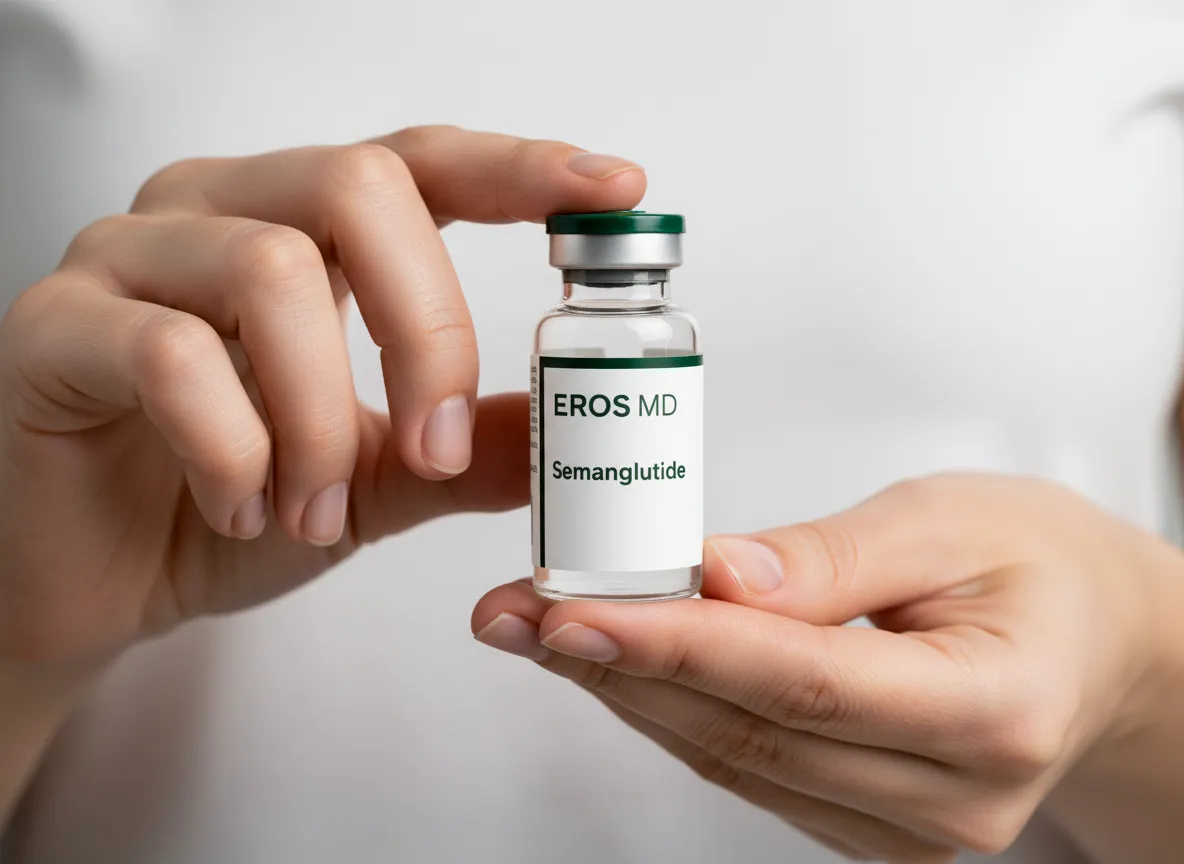
Ozempic is the brand name for semaglutide, a medication that mimics a naturally occurring gut hormone called GLP-1. The brand name became a household term because the weight loss results were striking, but the underlying mechanism is actually physiological rather than pharmaceutical in any exotic sense. Understanding how it works helps explain why it produces results that willpower-based approaches consistently fail to match.
What GLP-1 normally does in your body
GLP-1 (glucagon-like peptide-1) is a hormone your intestine releases after you eat. It has three main jobs. First, it stimulates insulin release from the pancreas in a glucose-dependent way, improving blood sugar regulation after meals. Second, it slows gastric emptying, so food sits in your stomach longer and you feel full longer. Third, it signals the hypothalamus to reduce hunger and increase satiety.
In people with obesity or type 2 diabetes, this signaling is often dysregulated. GLP-1 release after meals is reduced, the signaling pathways are less sensitive, and the result is that the normal stop eating signal does not fire the way it should. Hunger stays elevated. Satiety is shallow. The body is working against itself.
What Ozempic actually does
Semaglutide is a GLP-1 receptor agonist. In plain terms, it binds to the same receptors your natural GLP-1 binds to, but it does so at much higher and more sustained levels than the body produces on its own. The receptors stay activated consistently, which recalibrates appetite regulation over days and weeks.
The clinical result is what patients describe as reduced background hunger. Meals feel more satisfying. Snack cravings drop. The mental preoccupation with food, sometimes called food noise, decreases for many patients. This is not a willpower boost. It is a change in the underlying physiological signaling.
How that produces weight loss
The reduction in hunger and improvement in satiety produces a consistent, modest reduction in daily caloric intake. Over weeks and months, that adds up. The STEP clinical trial program demonstrated average weight loss of approximately 15 percent of body weight over 68 weeks at the 2.4mg weekly maintenance dose, compared to 2.4 percent in the placebo group. Some patients lose more, some less, but the average is dramatically higher than anything that came before.
There is also emerging evidence that GLP-1 agonists affect the brain's reward response to food specifically, not just general hunger. This may explain why many patients report reduced cravings for specific foods (often ultra-processed foods) rather than a uniform reduction in appetite.
What to expect during use
Ozempic and Wegovy (both semaglutide, different doses and indications) are titrated gradually to reduce side effects. A typical weight management schedule starts at 0.25mg weekly for 4 weeks, increases to 0.5mg, 1mg, 1.7mg, and finally 2.4mg maintenance over roughly 16 to 20 weeks. Reduced appetite is often noticeable within the first few weeks. Meaningful weight loss typically becomes apparent at 8 to 12 weeks. Maximum results generally emerge at 12 to 18 months of consistent treatment at maintenance dose.
What happens if you stop
This is the uncomfortable truth about GLP-1 medications: they are managing a chronic physiological condition, not curing it. Clinical data from STEP 4 and subsequent trials show substantial weight regain in most patients who stop the medication, because the underlying signaling dysregulation is still there. Semaglutide is for most patients a long-term medication, similar in treatment philosophy to blood pressure or cholesterol medications.
This reality is important to discuss with your physician before starting. Long-term treatment planning, including dose adjustment and potential transition to maintenance dosing over time, is part of responsible GLP-1 prescribing.
How Eros MD uses semaglutide
At Eros MD, semaglutide is one of two primary GLP-1 options (alongside tirzepatide). Your physician evaluates your metabolic picture, screens for contraindications, prescribes an appropriate starting dose, and adjusts throughout titration based on your response and tolerability. Quarterly check-ins and ongoing provider access are built into the program. This is how GLP-1 medications are supposed to be prescribed: with the medication as one component of an ongoing clinical relationship.
Share
About the author
Dr. Dawnmarie Riley, DO
Women's Health Lead · DO
Board-certified OB/GYN and Women's Health Lead at Eros MD. Specializes in hormonal health, perimenopause, menopause, and integrative aesthetics.