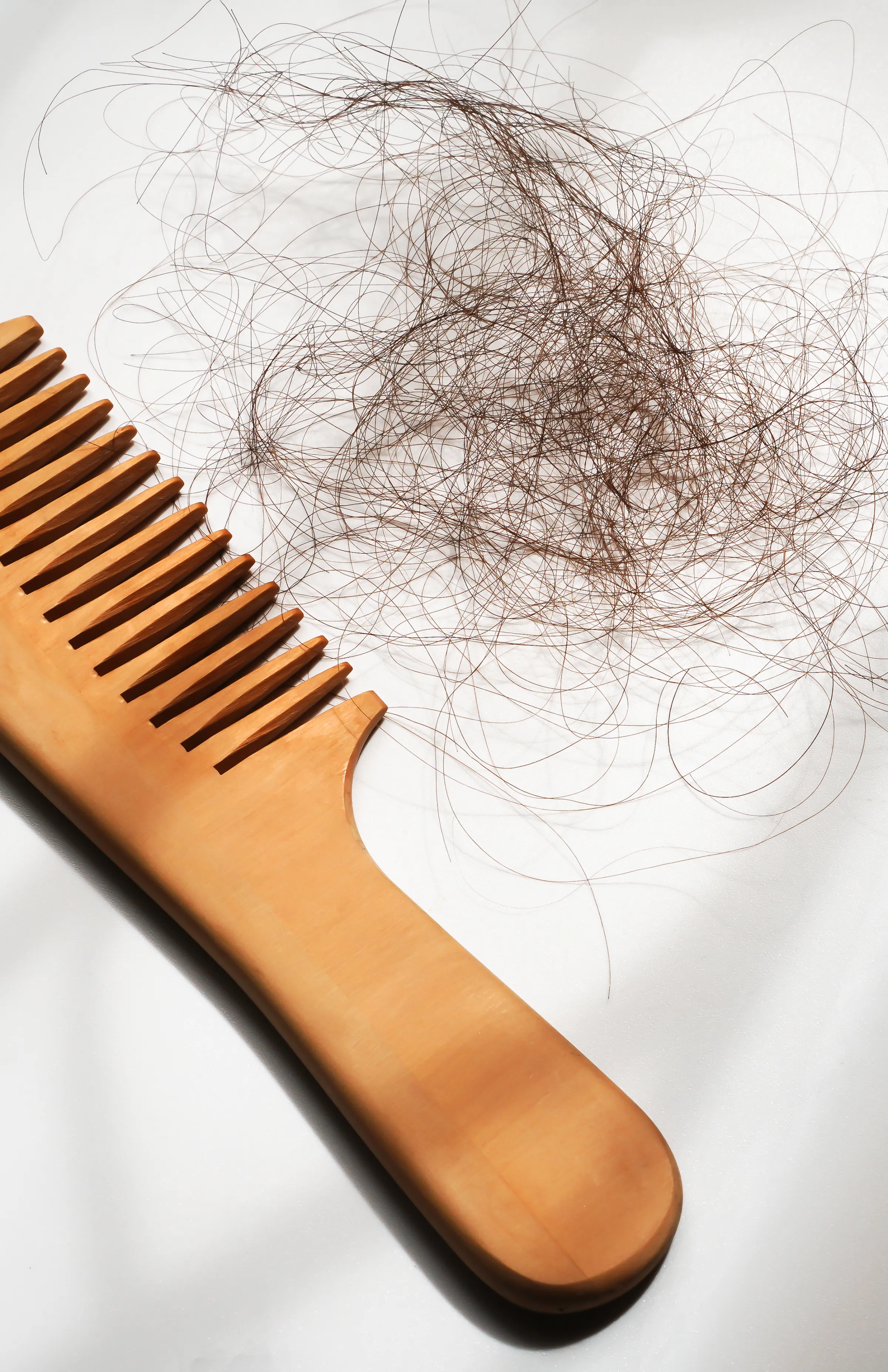
Male pattern baldness (androgenetic alopecia) affects approximately 50 percent of men by age 50 and up to 80 percent by age 70. It is the most common form of hair loss in men, and one of the most treatable when addressed in early to middle stages.
The mechanism is driven by DHT (dihydrotestosterone), a potent androgen derived from testosterone. In genetically predisposed men, DHT binds to receptors in hair follicles and causes follicular miniaturization: the gradual shrinking of follicles, producing thinner, shorter hairs until the follicle stops producing hair entirely.
The most important thing to understand about hair loss treatment: the earlier it starts, the better. Finasteride and minoxidil cannot restore follicles that have already fully miniaturized. They work best to preserve what you have and potentially recover recent losses. Acting in the first stages of noticeable thinning produces dramatically better outcomes than waiting.